Branding lenses
Branding lenses refer to the strategies and perspectives through which a brand presents its image, values, and messages to its target audience.
Types of Branding Lenses:
Emotional Lens:
- Focus: Connecting with the audience on an emotional level.
- Objective: Brands that use this lens aim to create a strong emotional bond with customers by highlighting values such as trust, love, family, or passion.
- Example: Companies like Coca-Cola or Nike use emotional branding to create feelings of happiness, inspiration, or motivation through their messaging.
b. Functional Lens:
- Focus: Highlighting the product’s utility, quality, or specific benefits.
- Objective: Brands using this lens focus on solving problems or improving lives through their products or services.
- Example: Brands like Apple or Dyson often highlight their products’ innovative features and practical benefits, focusing on performance and functionality.
c. Lifestyle Lens:
- Focus: Associating the brand with a particular lifestyle or identity.
- Objective: Brands emphasize how their products or services fit into and enhance a certain way of life.
- Example: Patagonia or GoPro use this lens by aligning their brands with outdoor adventure and environmental consciousness.
d. Cultural Lens:
- Focus: Connecting the brand with cultural trends, values, or movements.
- Objective: Brands using this lens often align themselves with social causes or cultural movements to resonate with their audience on a societal level.
- Example: Brands like Ben & Jerry’s or TOMS incorporate cultural or social responsibility messages into their branding, appealing to consumers who share those values.
e. Innovation Lens:
- Focus: Highlighting the brand’s focus on innovation and future-forward thinking.
- Objective: Brands using this lens aim to position themselves as leaders in technology, creativity, or change, showing that they are forward-thinking.
- Example: Tesla or Google focus on groundbreaking technology and innovation, presenting themselves as disruptors in their industries.
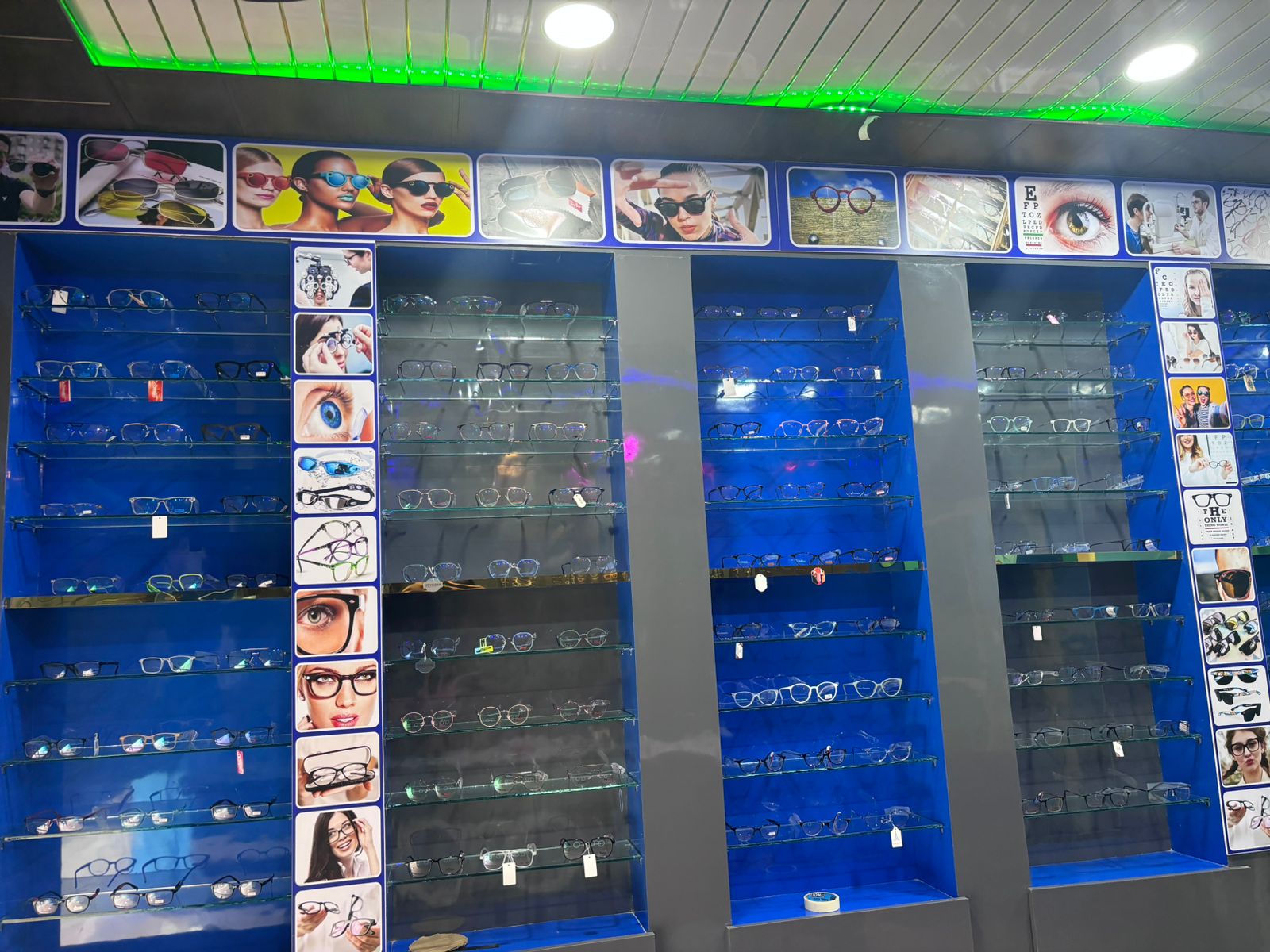
Branding Lenses Matter
How to Choose the Right Branding Lens
- Know Your Audience: Understand who your target audience is and what resonates with them emotionally, functionally, or culturally.
- Clarify Your Brand Values: Your core values and mission should inform which branding lens you use. For example, if sustainability is a key value, you may choose a cultural or lifestyle lens.
- Focus on Your Unique Strengths: Choose a lens that highlights what makes your brand special, whether it’s innovation, quality, or emotional connection.
- 100% Natural
- Free Delivery
- Highest Quality
- Healty Leaves
- Online Store & Payments
- Eco Package
- Improves Brain Function
- Without GMO
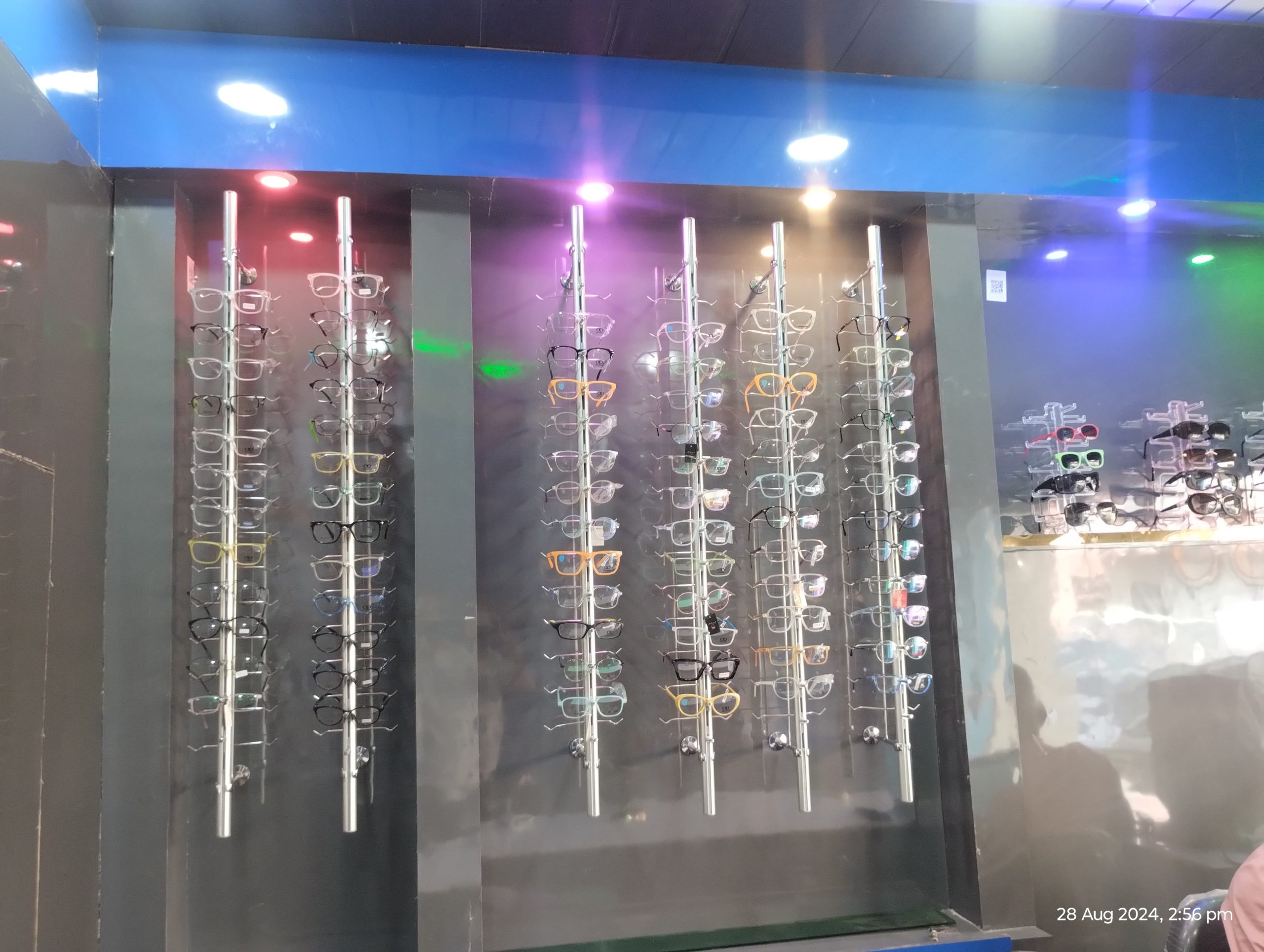
Elements of Branding Through Lenses:
To effectively use a branding lens, companies focus on key elements of brand identity that shape how their story is told and perceived.
- Visual Identity: The colors, fonts, logos, and design language that support the brand lens.
- Messaging: The tone and content of communication, such as taglines, slogans, and narratives.
- Customer Experience: How the brand interacts with customers through products, customer service, and experiences.
- Values and Purpose: The core values and mission that are communicated through the branding lens.
WHY BRANDING LENSES IS SO
IMAGINE
Branding lenses are so impactful because they serve as a powerful framework for how a brand is perceived, allowing companies to craft their image and messaging in a way that resonates deeply with their target audience. Here's why branding lenses are so compelling:
